

















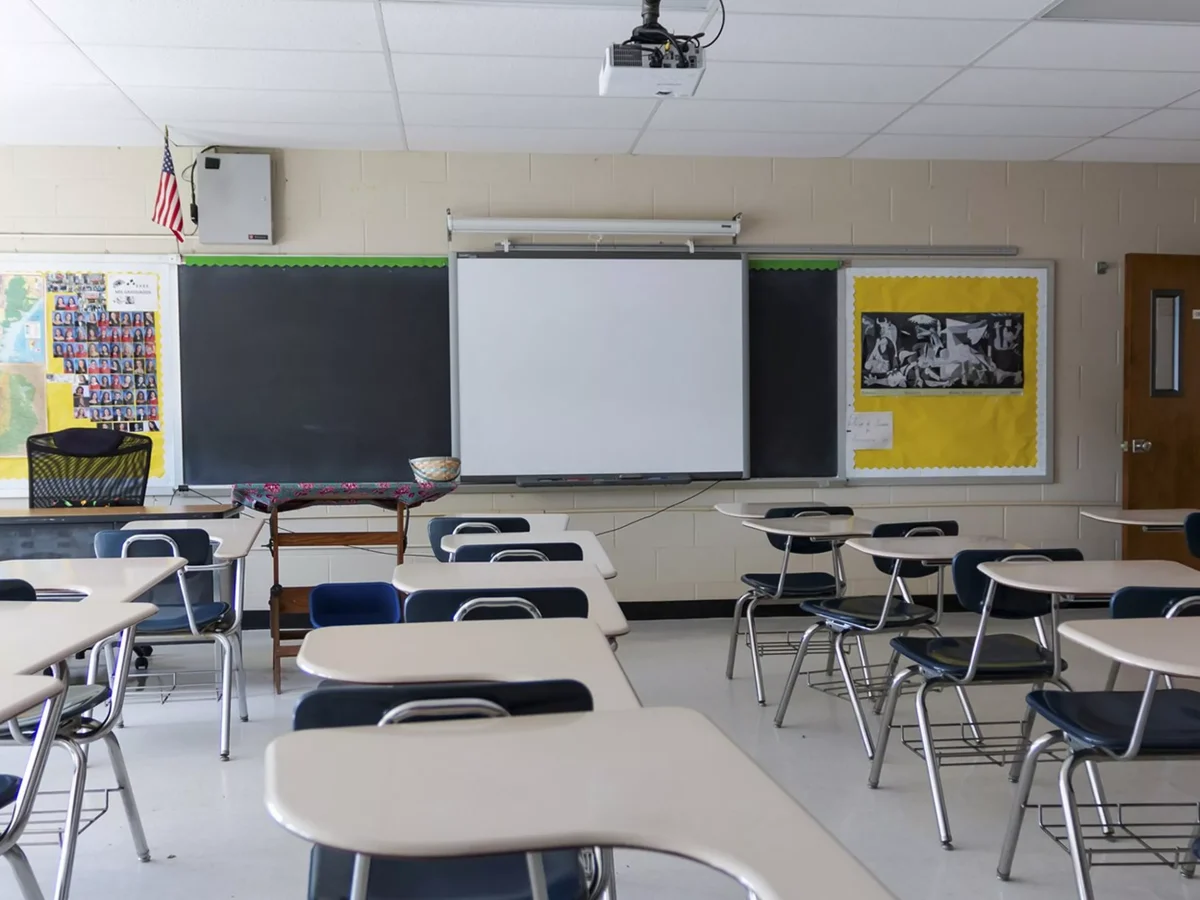
OCPS has enacted a new graduation requirement for students graduating in the year 2027 and onward, a half-credit course of Personal Finance and Money Management. This class covers critical topics such as budgeting, saving, investing, debt, credit, and taxes. The primary goal of its implementation is to prepare students for responsible financial management in the future.
The course, which lasts 6–8 weeks, can be completed online or in-person; through the school or district. It introduces real-world situations like student loans, car purchases, and decision-making exercises related to budgeting and spending money. Students also learn about core financial concepts such as banking, investing, and the use of credit and debit cards.
Managing money has always been a prevalent challenge for many people in America. For decades, authors and financial experts have stressed the importance of understanding how our economy functions, yet the majority of the education system neglects it. Only recently, states such as Florida began to take this issue seriously by making financial education a graduation requisite. Economists have long pointed out that the lack of financial education leads many adults to struggle with budgeting, saving, or investing. Through this course, students are finally granted the chance to gain the financial awareness their parents may have missed, learning how to avoid debt, resist impulse buying, and build a more stable financial future.
While this new requirement is a monumental step forward, it hasn’t been without challenges. When the class was initially introduced, many students were not informed that they had to complete it in order to graduate. This caused frustration and stress for those who were already juggling their final coursework. Adding to the confusion, IB (International Baccalaureate) students were exempt from the requirement, while PFA (Performing Arts) students were not, even though both are magnet programs. This raised questions about the fairness and consistency across schools.
Despite the rocky start, this course has the potential to transform the way young people view money. Many students grow up witnessing their parents struggle financially, which can form negative associations with money. Learning about budgeting, investing, and debt management early on can help break that cycle. Financial literacy is one of the most valuable skills a person can have, yet for far too long, it was left out of the classroom. Florida’s money management course represents a much-needed change that could shape a more financially stable generation.
Although it may have caused stress for some seniors and confusion about who must take it, the long-term benefits outweigh the short-term struggles. After all, learning how to manage money isn’t just a school requirement, it’s a life skill that every student deserves to master. In the end, this class isn’t just about passing a course, it’s about preparing for the future and that’s something worth investing in.
Traditional school subjects—math, reading, science, and history—are all essential, but none of them prepare students for the financial realities of adult life. The personal finance class fills that gap by teaching what truly matters: how to handle money wisely, avoid financial pitfalls, and plan for a secure future.