












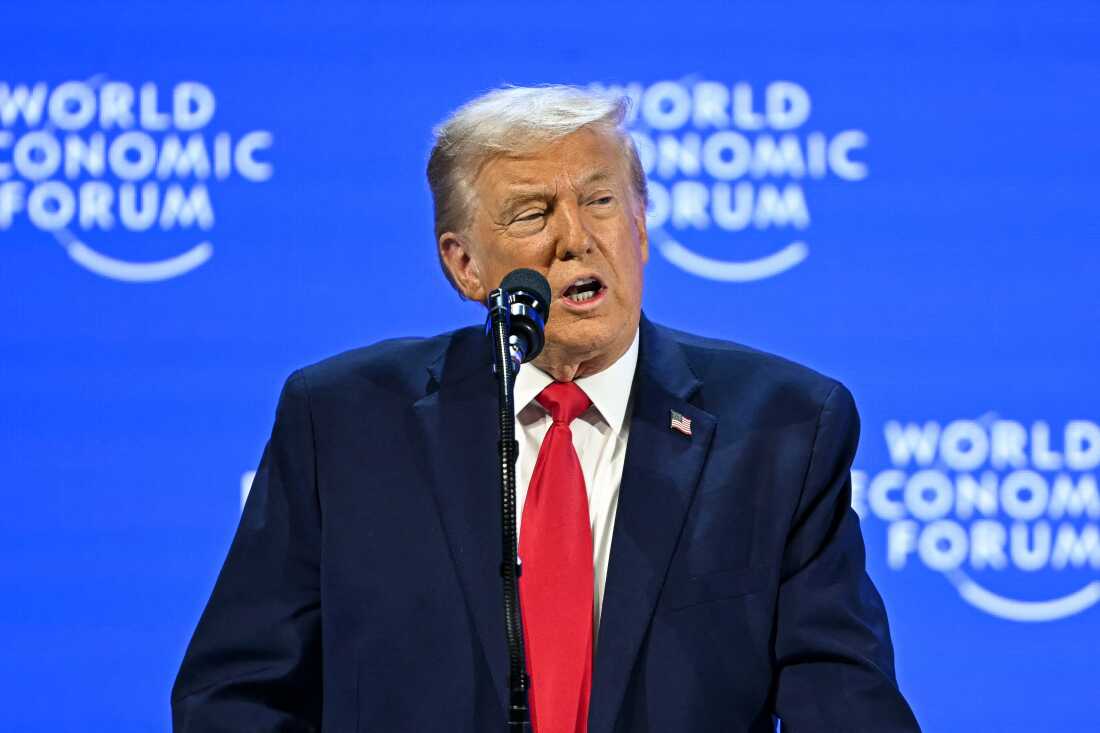




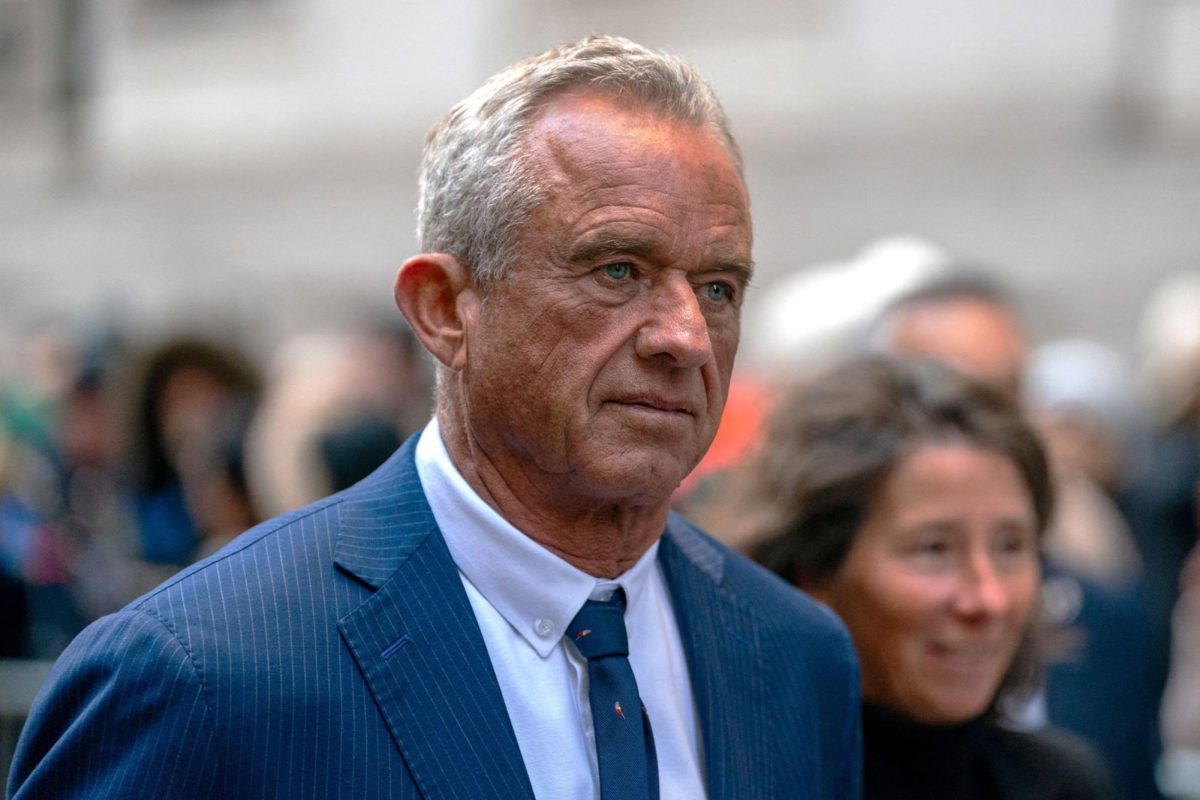
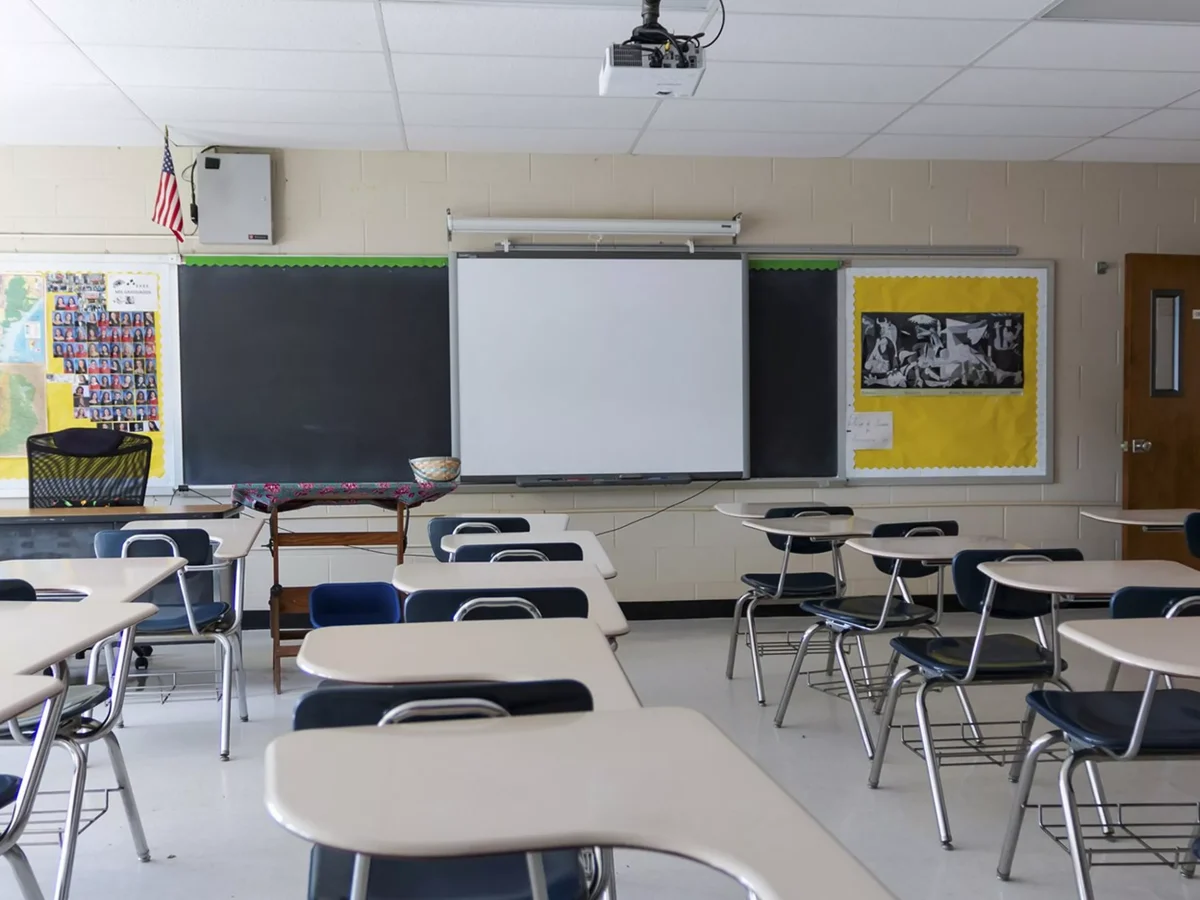

The U.S Department of Education has played an important role in American schools for over four decades, helping distribute federal funding, enforce civil rights laws, and guide national education policy. In recent years, however, the department has begun to slowly diminish, not only through major decisions but through gradual changes that reduce its influence over time.
One major shift has been the push to grant more control over education to states and local governments. Supporters of this argue that states understand their students better than the federal government and should have more freedom in setting standards and policies. Critics worry that without strong federal oversight, differences between school districts could increase, especially between wealthy and low income areas.
Budget changes have also contributed to the department’s weakening role. Several programs focused on accountability, education research, and student support have faced cuts or restructuring. Schools that depend on federal aid, especially those serving low income students, feeling these changes the most. The federal government has played an important role in ensuring equal educational opportunities and supporting under researched schools, according to the research on education equity and funding by Linda Darling-Hammond, president of the Learning Policy Institute and a professor at Stanford University.
Another concern involved civil rights enforcement in schools. The Department of Education has long been responsible for investigating discrimination based on race, disability, and gender. With fewer resources and less emphasis on enforcement, some advocates fear that students who depend on these protections may have fewer options when problems arise.
Although the Department of Education still exists, its role in shaping national education policy is becoming smaller. These changes may not be immediately noticeable, but over time they could affect students, teachers and families across the country. As debates continue over how much responsibility the federal government should have in education, the future of the department remains uncertain.