















The country of Greenland is facing new threats under the current U.S. administration. On January 9th, President Donald Trump stated that Greenland is vital to the U.S. as a national security risk due to foreign adversaries’ increased presence in the region and later on January 14th, he doubled down on his claim.
However, this isn’t the first time Trump has publicly expressed his thoughts on acquiring Greenland. During his first presidential term in 2019, he spoke about acquiring the large island. This proposition was swiftly rejected by Danish Prime Minister Mette Frederiksen, describing the idea as “absurd.” Denmark asserted that it would invoke Article 5 if attacked which would drag in every country currently in NATO to defend Greenland.
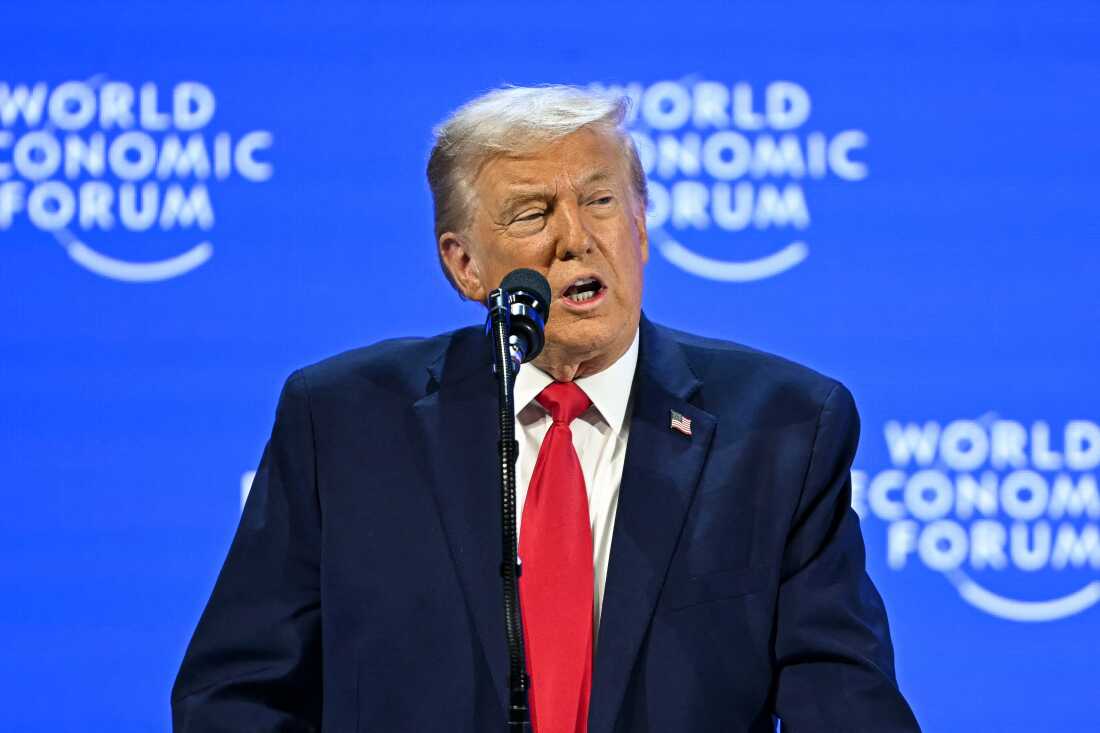
The Trump administration originally publicly stated that all options are on the table in how they acquire Greenland. Despite the fact all possibilities are being considered, Trump said in an interview “I would like to make a deal the easy way but if we don’t do it the easy way, we’re going to do it the hard way.” Later while speaking at the World Economic Forum (WEF) in Davos, Switzerland, Trump backpedaled his statement on using force.
After the WEF, Donald Trump announced that he and NATO Secretary General Mark Rutte had agreed upon a “framework deal” concerning the future of Greenland. Instead of the previous threats of taking over the whole Danish territory the deal consisted of cooperation, increased U.S. presence in the region, and a mineral rights deal.
While President Donald Trump has pushed for increased U.S. involvement, Denmark and Greenland have made it clear that Greenland is not for sale. As world superpowers continue to compete for influence in the arctic region, Greenland will continue to be a crucial factor in both international security and diplomacy.